
Concrete Contractor in Glenwood, IA - Driveways and Steps Built for Hilly Lots
Excel Bellevue Concrete Construction pours driveways, patios, walks, steps and retaining walls for homes in Glenwood, IA, working from Bellevue just across the river, with the ground work under each slab planned for its slope.
- Licensed and fully insured.
- Free on-site estimates.
- Expect a reply within 1 business day.
Hillside homes and yards across Glenwood
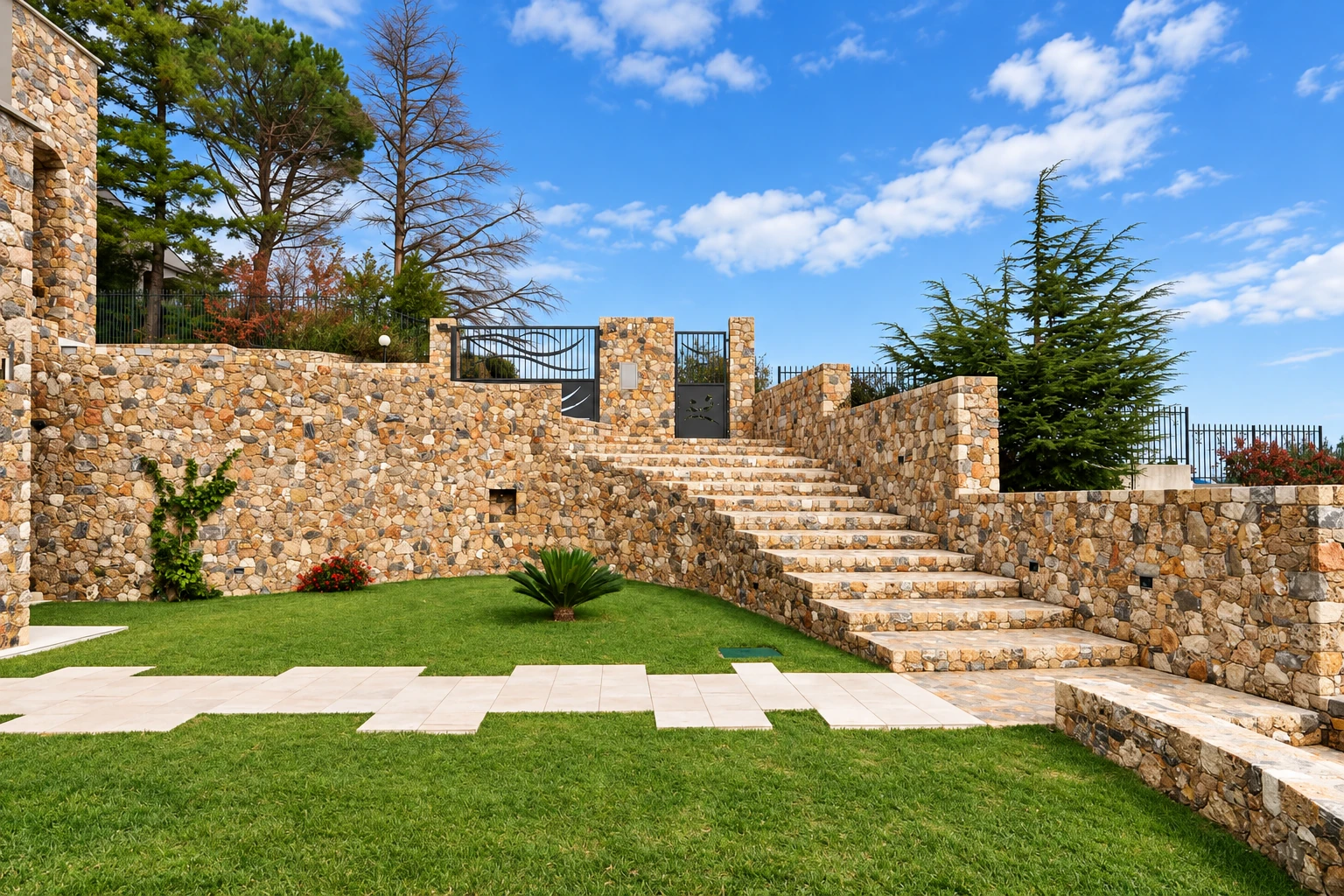
Glenwood sits in the Loess Hills of southwest Iowa, and on our jobs there that means driveways that climb from the street, back yards that fall away from the house and front doors a good few steps above the walk. We're based in Bellevue and cross the river for Glenwood work the same way we do for Council Bluffs to the north and Nebraska City farther down the river. Most calls here are homeowners replacing a driveway, walk or set of steps that has settled or cracked, plus the odd small business owner who needs a lot or a walk redone.
On ground like this, the price turns mostly on what's underneath, like how much old concrete and soft dirt has to come out and how much base the slope needs built up. The schedule turns on the weather, the permit and the days a new slab needs to cure, meaning harden before it carries weight. I give you your own figure at the estimate, once I've seen how much your slope asks of the base.
Our services in Glenwood, IA
- Concrete driveway building
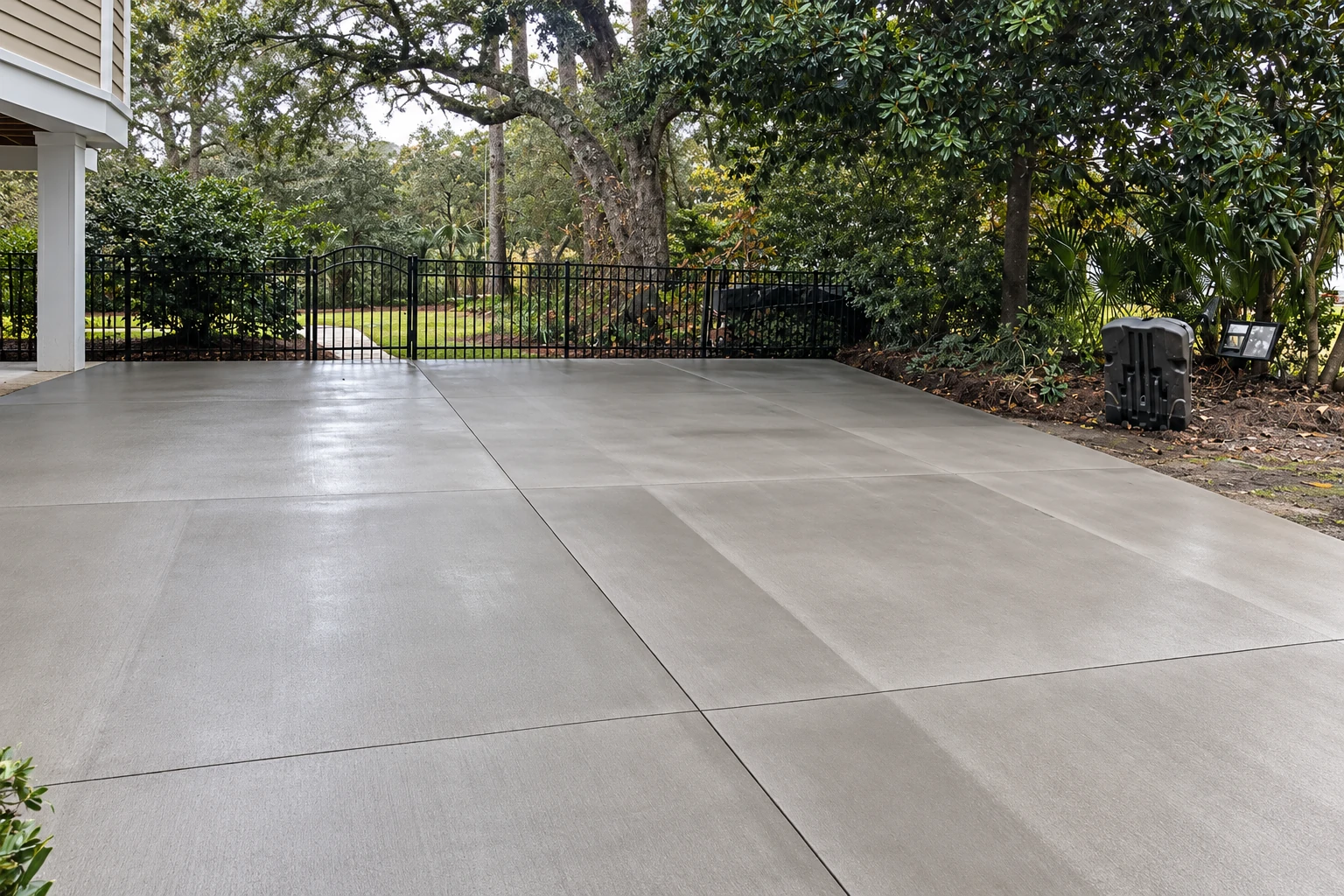
Driveways here climb from the street, so water runs down them and eats at the edges. We dig out soft dirt, pack the base and slope the slab to drain.
- Concrete steps construction
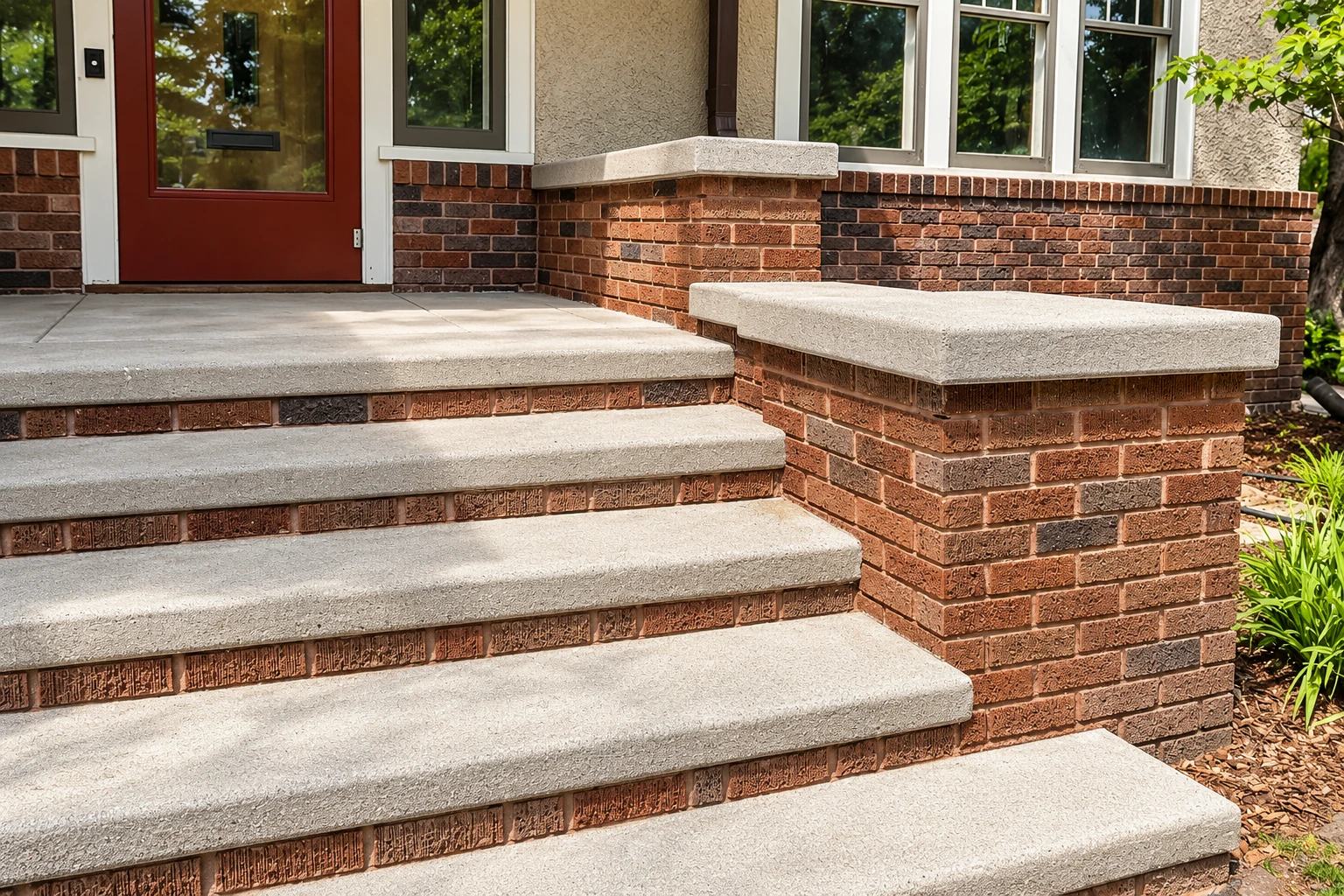
Sloped lots mean more steps to the door, and frost lifts steps resting on shallow ground. We build concrete steps on footings set below the frost line.
- Concrete retaining walls
Yards cut into a hillside need the slope held back, and wet dirt pushes hard on a wall. We pour retaining walls with drainage behind them to ease that push.
- Concrete patio construction
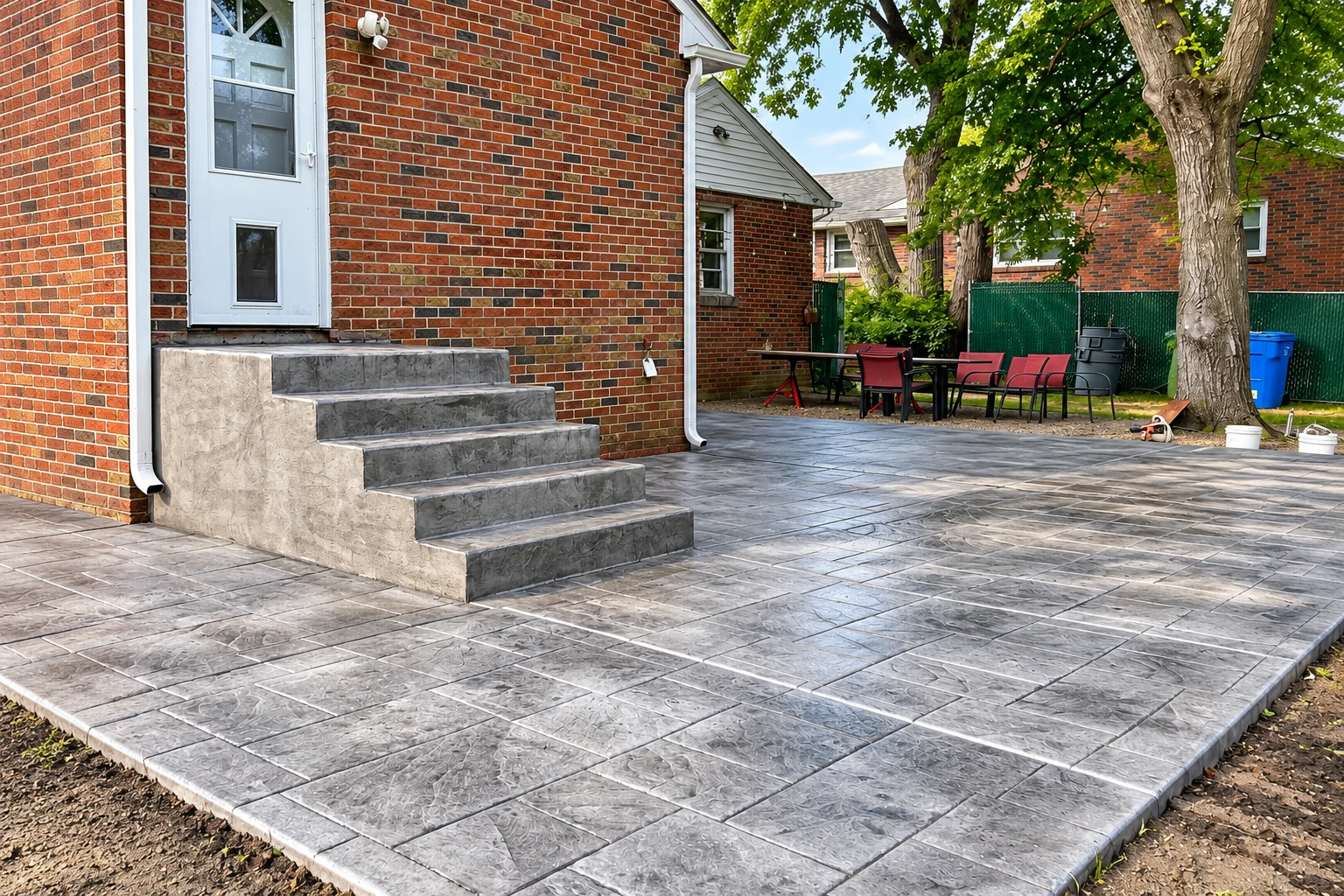
A level patio on a sloping yard needs fill on the low side, and loose fill settles. We pack it in layers and pitch the slab away from your house.
- Concrete sidewalk building
Walks running up to the door lift and split once water and frost get under them. We replace broken sections, rebuild the base and cut joints where cracks should go.
- Garage floor concrete
Garages set into a slope catch runoff off the drive, and salty water pits the floor. We pour garage floors over a packed base, pitched to drain out the door.
What Glenwood's hills and winters ask of concrete
On a hill, water decides most of what goes wrong. A slab that falls toward the house sends rain at your foundation, and water running under the edge of a driveway washes the dirt out until the concrete sinks or snaps. Before we set forms, we look at where the water comes from and where it can go, and we set the fall of the slab to match. Sometimes that means a different shape or an extra step where you pictured a straight run, and I'd rather tell you that at the estimate than have you find out the first spring.
Winters here freeze the ground deep, and anything resting on shallow dirt moves with it. For its own area outside town, Mills County lists the frost line, how deep the ground freezes, at 42 inches below finished grade, and it asks people inside city limits to confirm their requirements with the city. So for steps, walls and anything else on footings, we find out what Glenwood wants before we dig.
Get a free on-site estimate for your Glenwood concrete
We get back to you within one business day, and then I come out to Glenwood myself to look at the job and give you the estimate on site. It's free, with no obligation, and if you go ahead, we check the permit side with the office that covers your address before we put you on the schedule.
Driveways, patios, steps and walls
Glenwood concrete questions answered
Do I need a city permit for a concrete driveway or patio in Glenwood, Iowa?
Yes. The City of Glenwood issues permits for driveways, sidewalks, patios and porches before they're built, and its list also covers retaining walls over 3 feet tall and changes to grading or drainage, which a sloped lot can bring into the job. The full list and the ways to apply are on the city's permits page, and before we schedule, we check it for your project and either handle the application or walk you through it.
How do I keep a new driveway from washing out on a sloped lot in Glenwood?
Start under the slab, because a driveway on a hill usually fails where water gets beneath its edges and carries the dirt away. We dig past the soft topsoil to firm subgrade, the ground the slab rests on, pack the base in layers and set the surface so water runs off to the side or the street instead of toward the garage. If the work changes how your yard drains, that's on the city's permit list too, so we sort it out while we plan.
How much does a new concrete driveway cost in Glenwood, IA?
I price each Glenwood driveway on site, because the slope and what has to come out change the number as much as the size does. A thicker slab or rebar, steel bars set inside to hold it together, adds cost, and so does a stamped or colored finish, while a plain broom finish, the light texture that keeps tires and shoes from slipping, keeps it down. If the budget's tight, keep the money in the base and go simpler on top, since a bad base can't be fixed later without tearing the slab out.
Does a concrete contractor need to be registered with the state of Iowa?
Yes, Iowa law requires contractors who earn $2,000 or more a year from construction to register with the Iowa Department of Inspections, Appeals, and Licensing, while those earning less or working only on their own property don't have to. Glenwood's permits page also lists separate permits for peddlers, transient merchants and "In Home Services," so it's fair to ask any contractor, us included, about both before work starts.
What causes new concrete to crack in Glenwood?
Most concrete cracks somewhere, so the real work is deciding where and keeping the base from moving so any cracks tend to stay tight. We cut control joints, shallow grooves that give the slab a planned line to crack along, soon after the pour, because joints cut late or skipped are how you get cracks wandering across the middle. Freeze-thaw winters here find every weak spot, which is why I'd rather show you at the estimate where the joints go and why.
What is the best time of year to pour a concrete patio in Glenwood?
Late spring through early fall is usually the easiest window, because fresh concrete needs time above freezing to cure, and a pour that freezes early can come out weak. Summer has its own problem, since midday heat dries the top too fast and leaves it dusty later, so on hot days we pour early in the morning. If you're planning ahead, call (402) 206-0944 and we'll get you on the list.